


On this page:
Mike Hutchinson's Hobgoblin


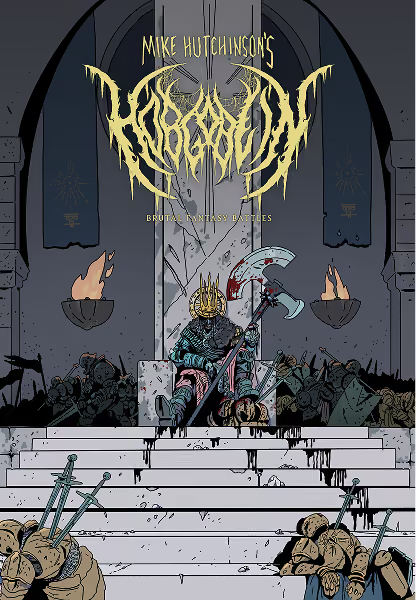
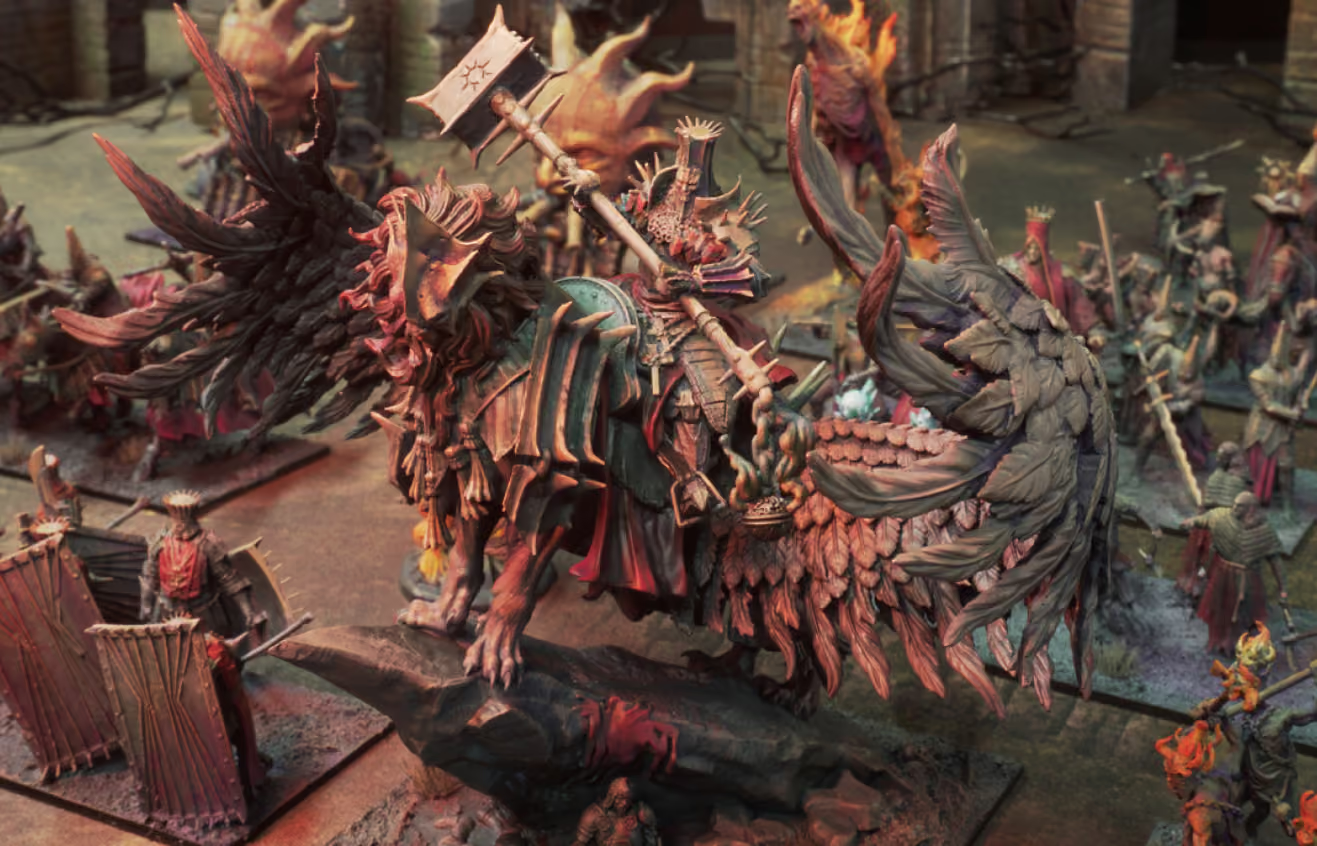
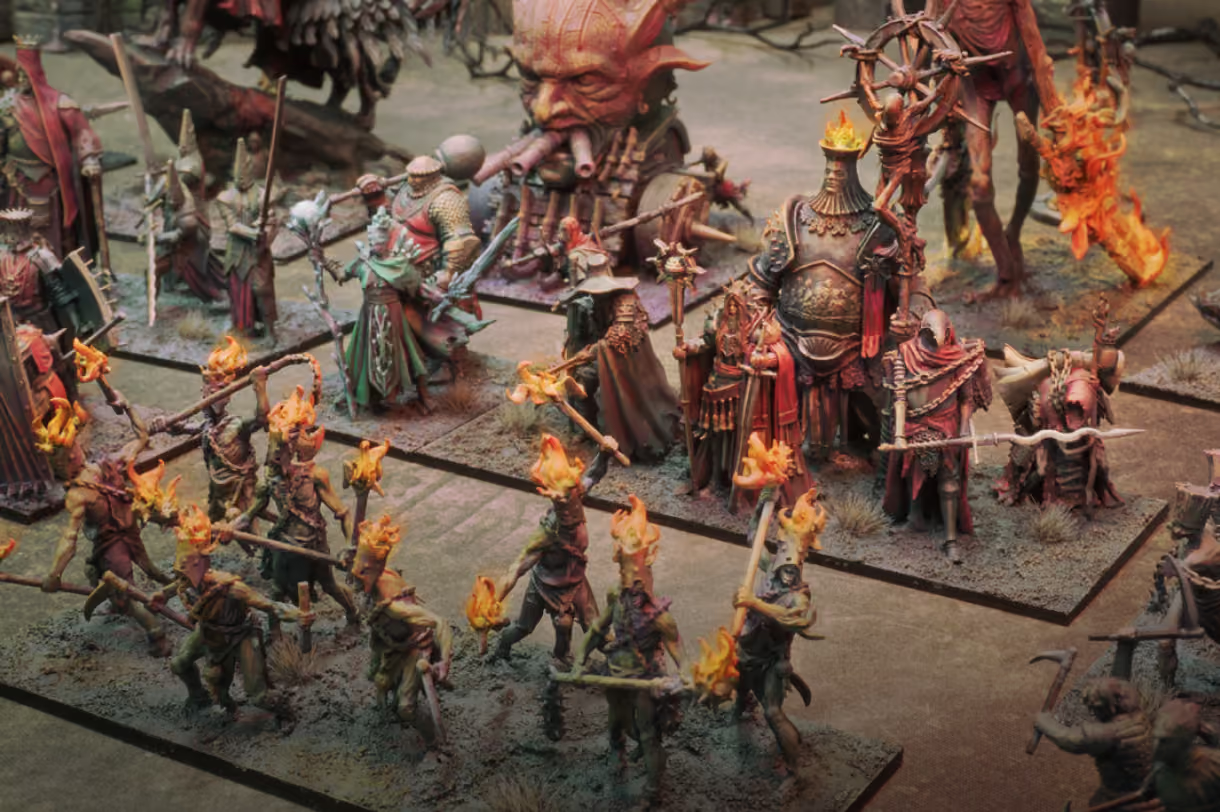
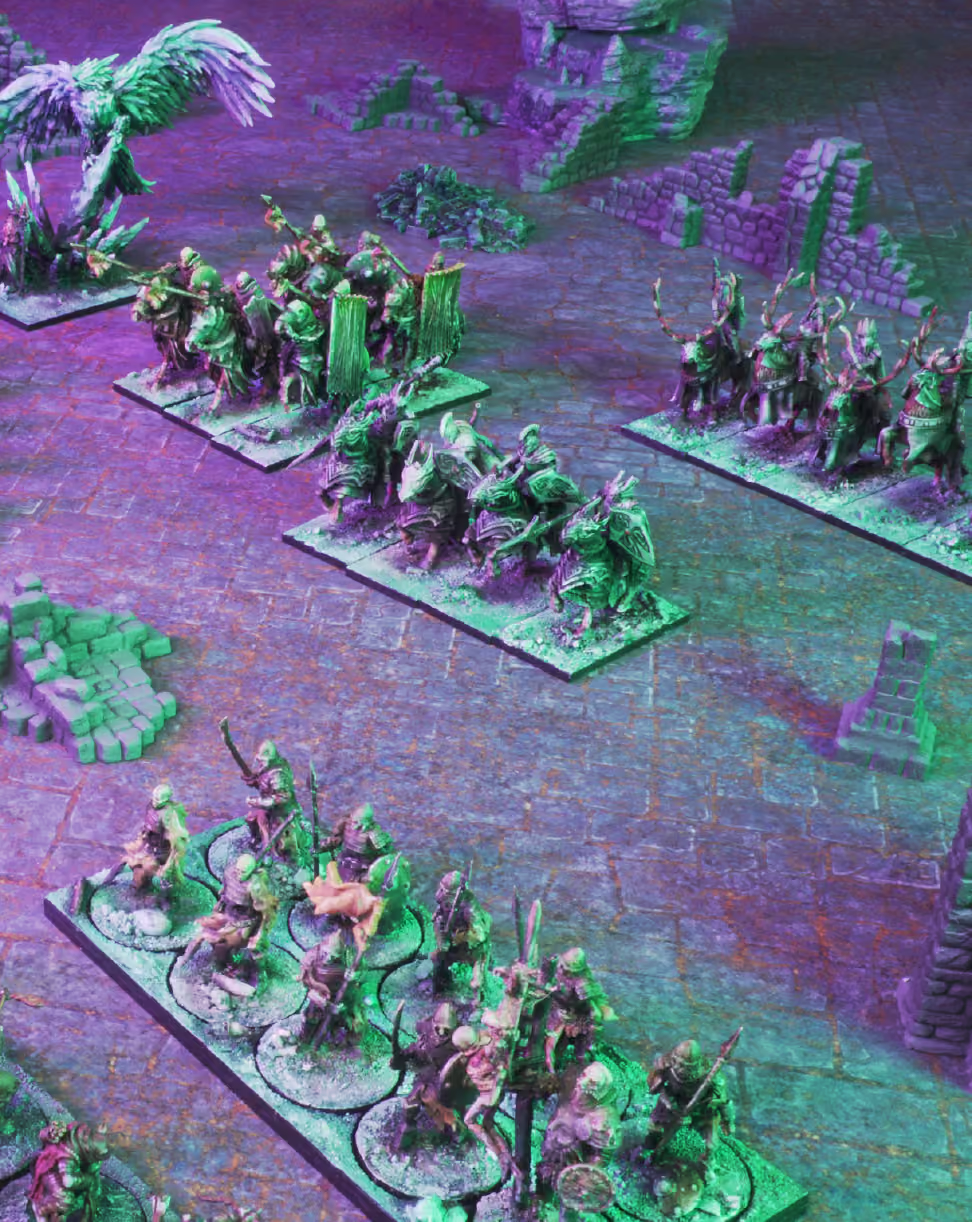
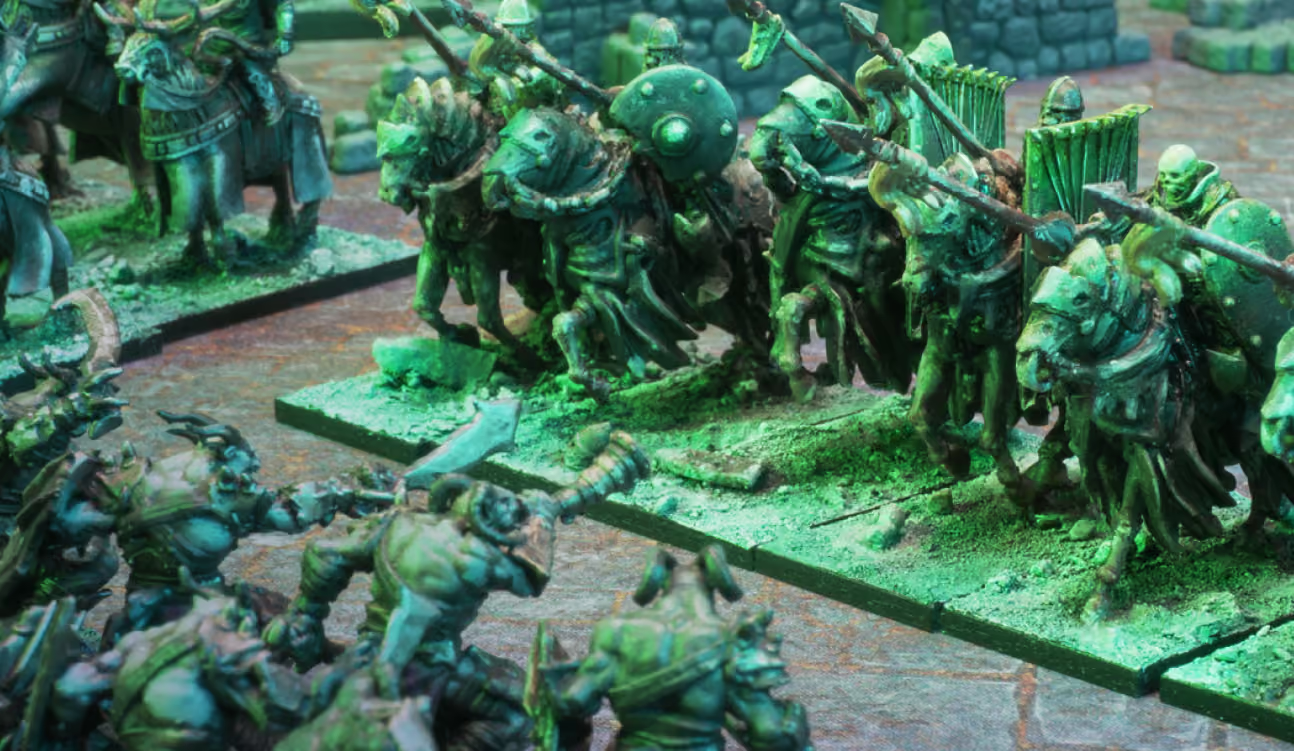

Hobgoblin is a dark fantasy, rank & flank wargame with extremely fast and deadly gameplay. You get to design your own units from individual keywords, allowing you to play with any army you can imagine. Perfect if you have an existing miniatures collection, or are itching to create something particularly unique. Games take 1–2h.
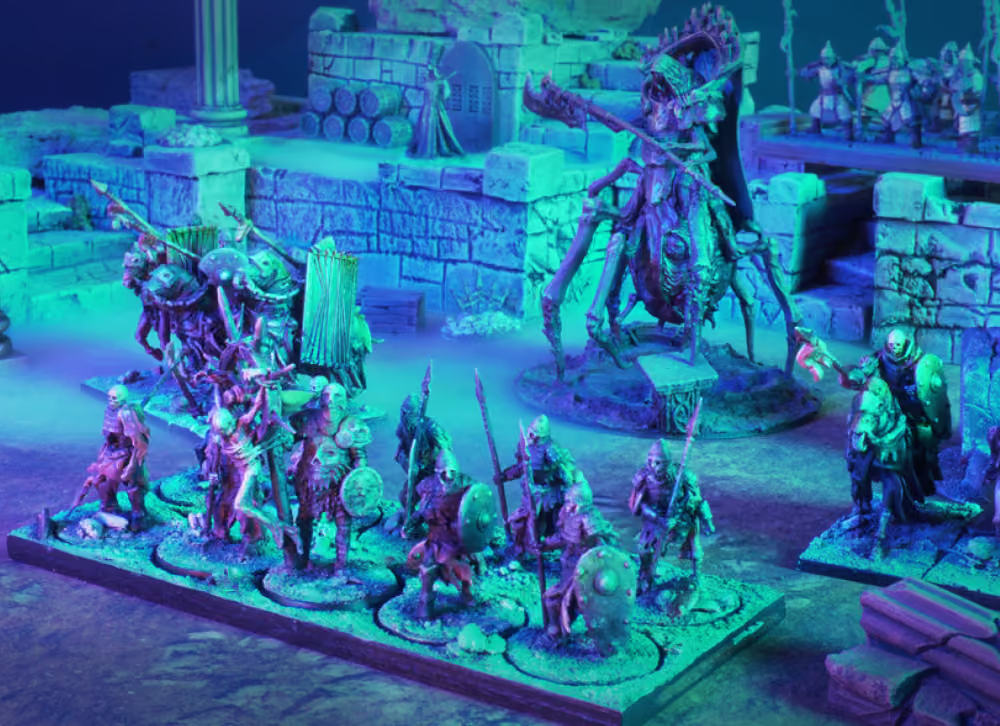
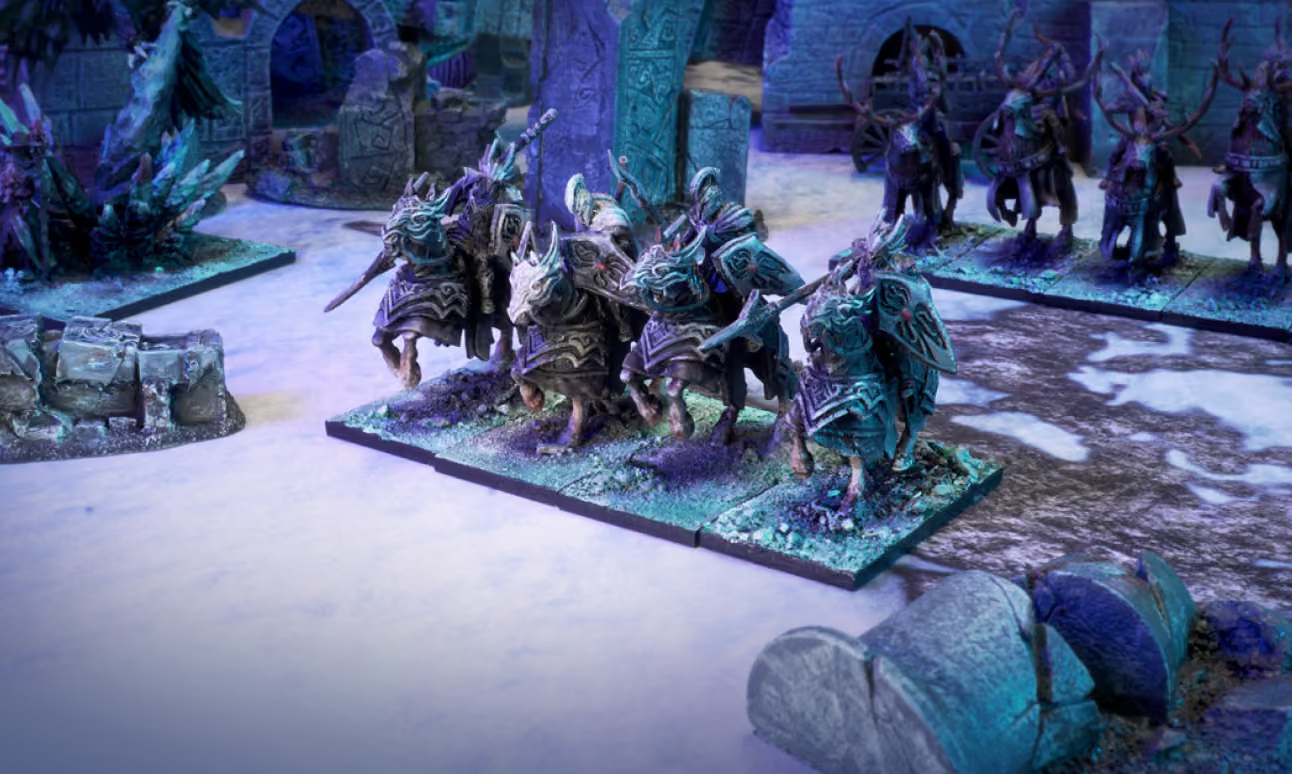
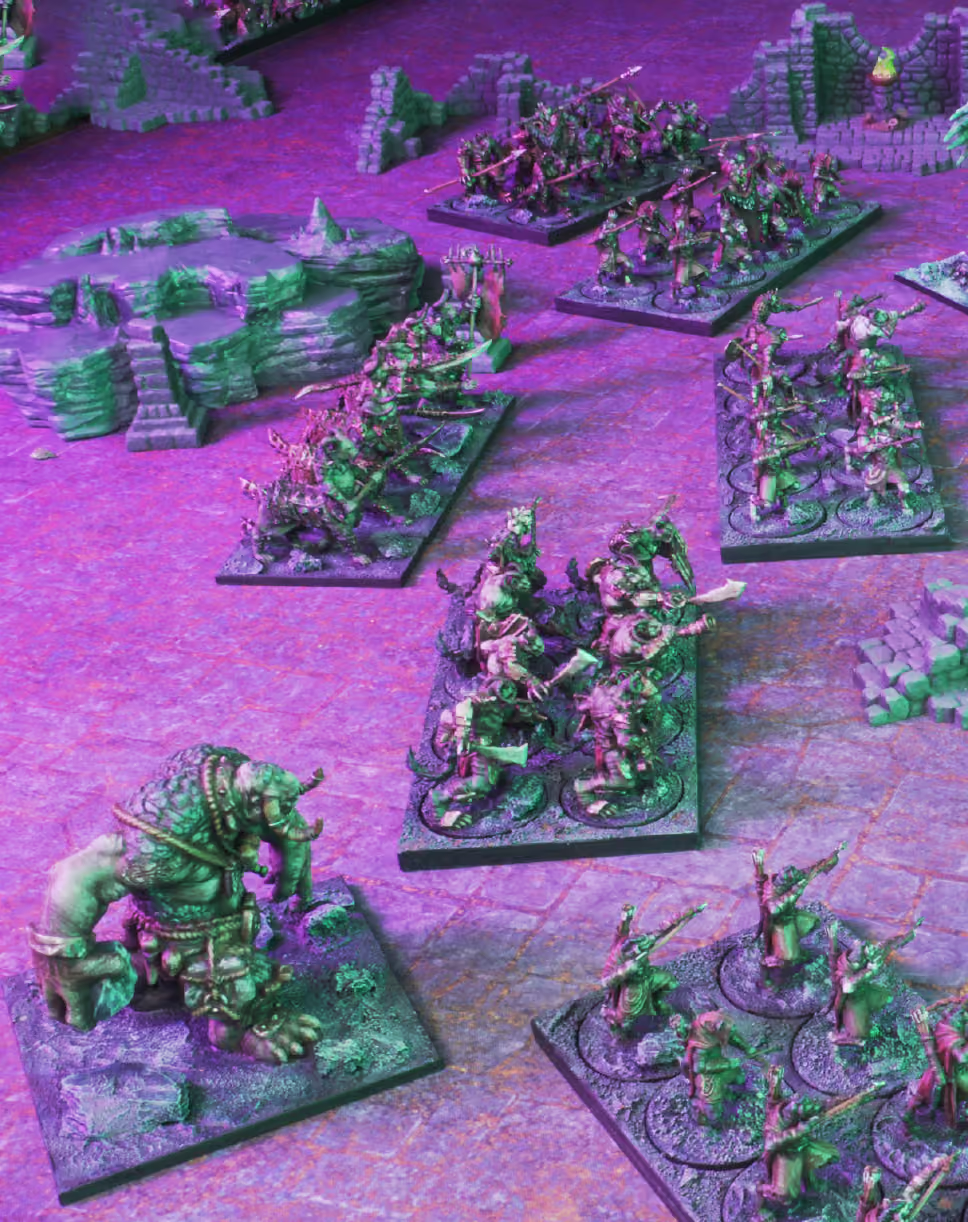
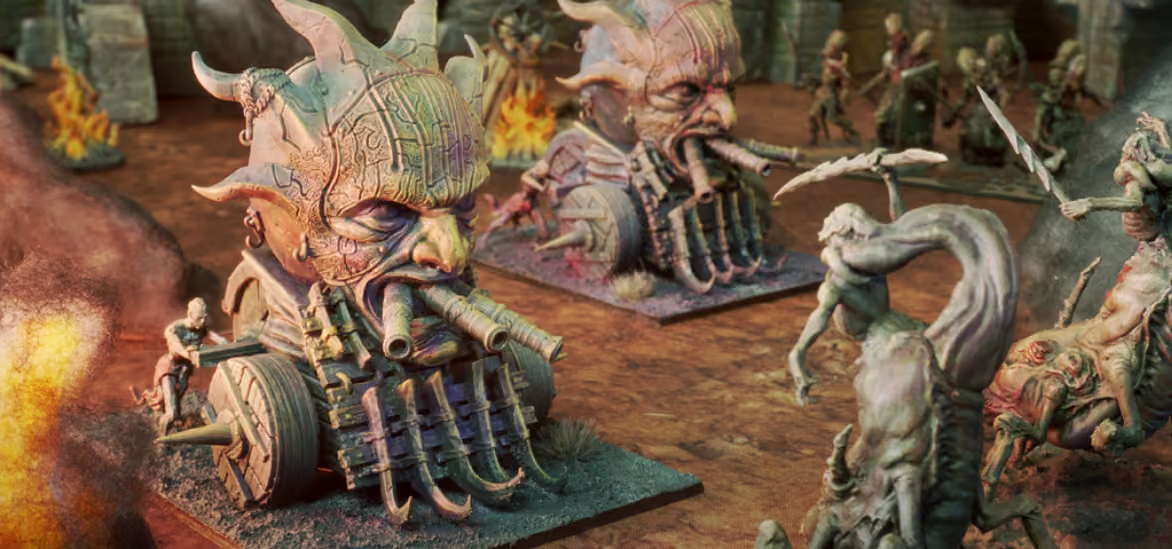
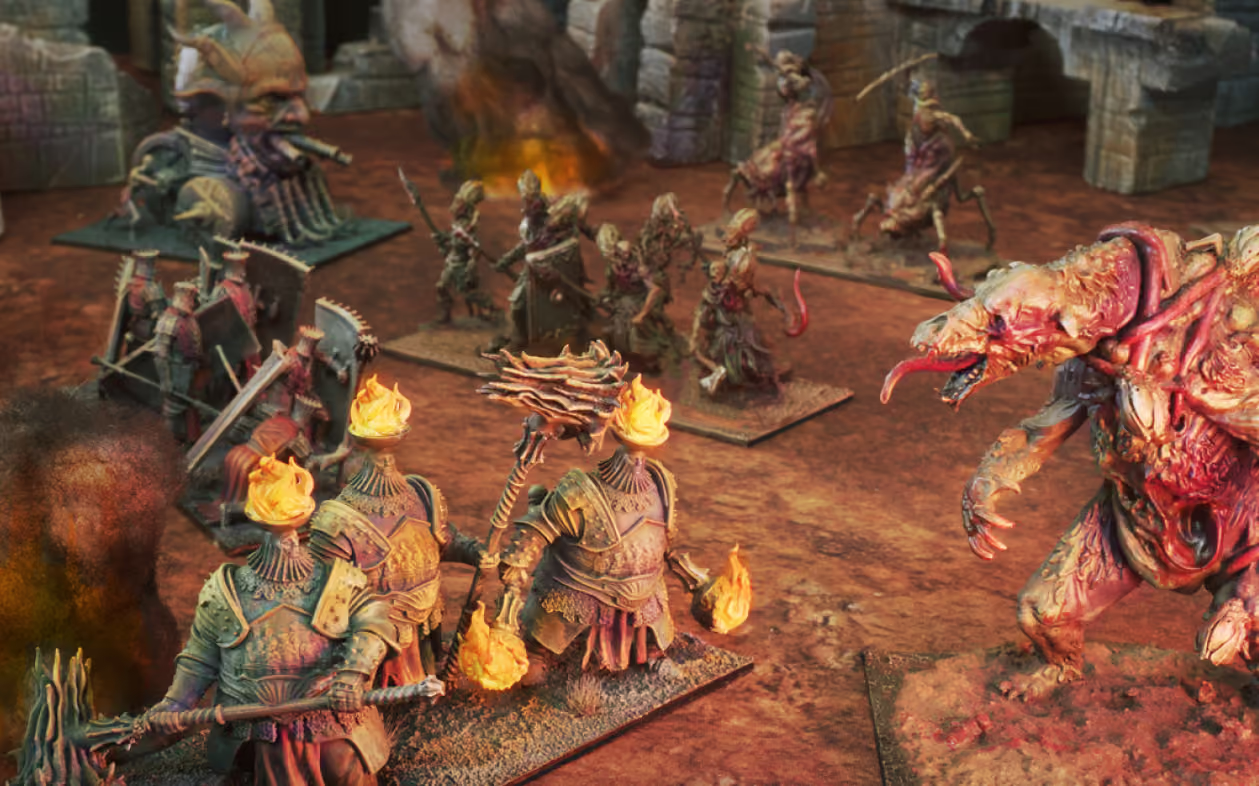
Hobgoblin is a rank & flank game, but its unique gameplay mechanics mean that things are always moving fast — easily as fast as many skirmish games.
Every unit has a type (e.g. heavy infantry, monster, chariot) which determines your target score to roll when fighting another unit. Unit types are never just good or bad: monsters are great against infantry, infantry is great against archers, archers are great against monsters. A good general fields some of each and picks engagements wisely.
When a unit is damaged it gains doom, which represents its combined casualties and morale. There are no saving throws, no max doom, and no model removal. Once a unit exceeds its doom threshold, it is removed in the last phase of the turn (unless you got some sneaky tricks up your sleeve!). Since movement and combat come in earlier phases, this means that you almost always get to use your units — they won't get wiped out before you get to use them.
Hobgoblin uses an alternating phases system, meaning that all players are always doing something. Losing units grants you fortune cards, which allow for some extra flavour and means that games are often tense to the very last moment.
Solo and team play are both part of the core rules: solo allows you to play against a behaviour-script backed opponent, whilst team play reshuffles some rules to make team collaboration essential for victory.
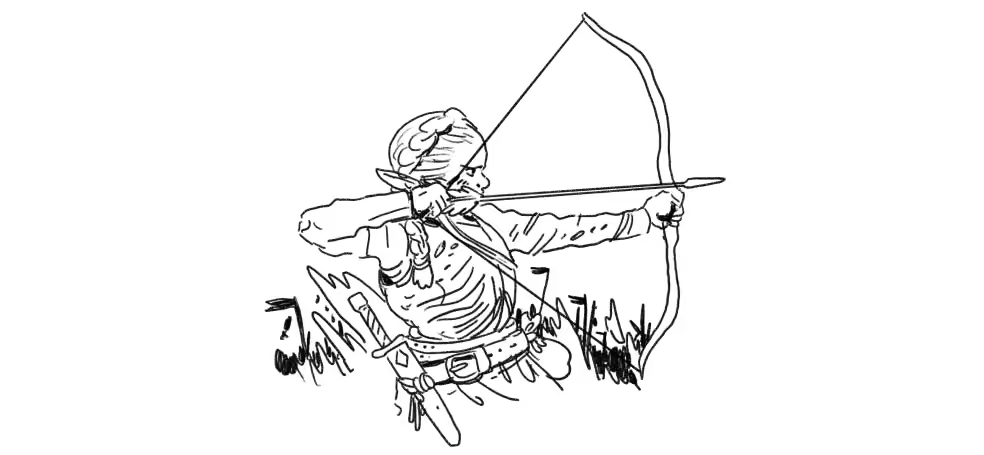
Getting ready for Hobgoblin from zero is a medium to large project. You will need quite a few models to represent your units and a few pieces of terrain. If you have any existing fantasy miniatures, this can significantly reduce the hobby lift — you can use pretty much anything you own as list building is extremely flexible.
A sizeable portion of the community also plays at 15mm or 10mm scale. You can treat all inches as centimetres to easily adapt distances, or simply fill unit footprints with more models and play at the 'native' scale.
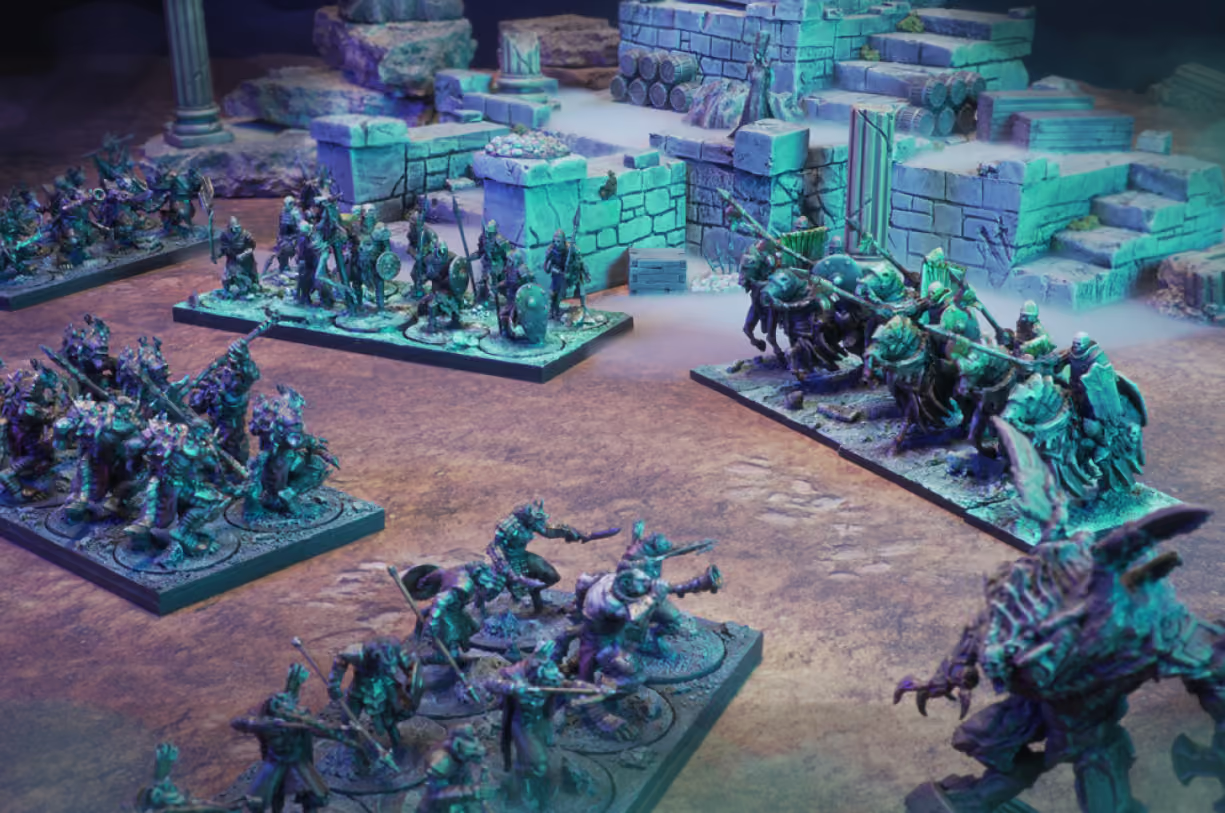
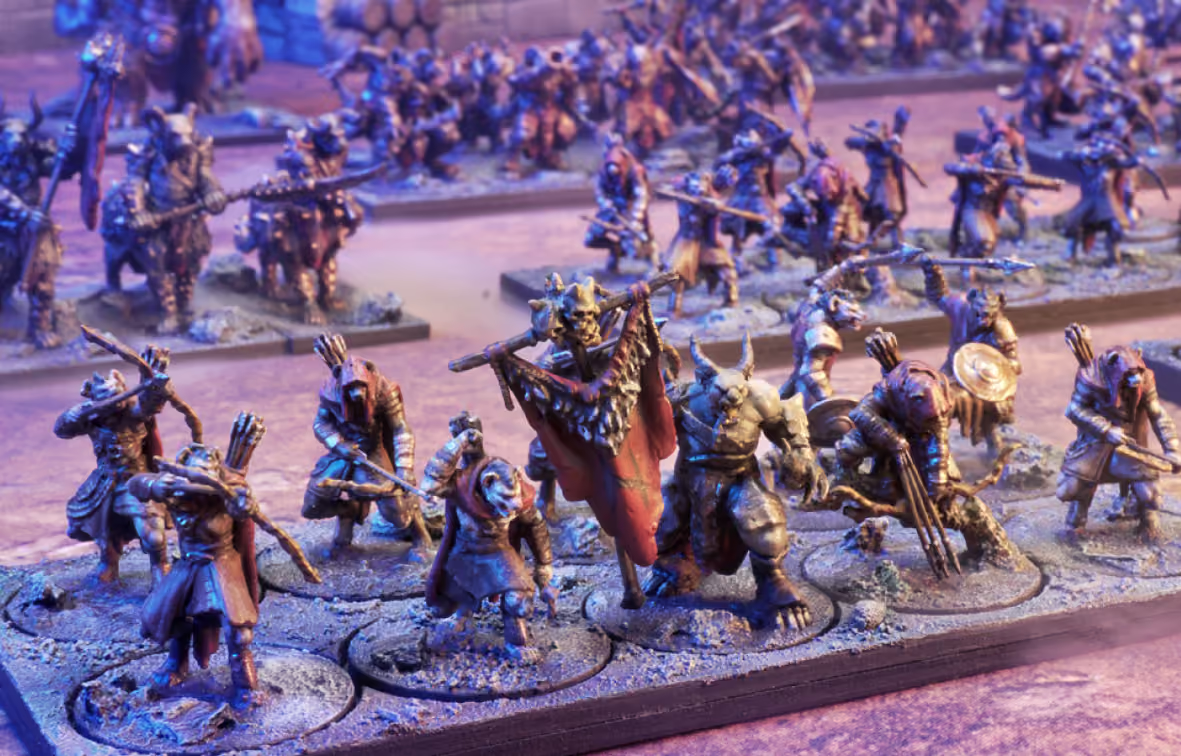
Hobgoblin is extremely welcoming to all kinds of miniatures, kitbashing, toybashing, and creativity of all sorts. Any existing collection can be ported to Hobgoblin with minimum effort, and armies can be remixed and combined as you see fit, even between games (just tweak the keywords!).
Ever wanted to field necromantic orcs with skeleton detachments? Soul-bound musical constructs? What about a forbidden alliance between dwarves and elves? All of this is easily possible in Hobgoblin. Just assign whatever keywords you feel are appropriate and you are good to go!
The only constraint that the game enforces is a rectangular unit shape. This can be achieved by using square bases, or by using unit trays, which can easily accommodate both square and round bases. The actual number of models per unit is completely up to you. Some players use as few as three models per unit (a kind of 'general's point of view' perspective), whilst others would not be found with fewer than 20 miniatures per tray. Your call!
Models do not have to be removed during gameplay, which means that if you'd like to create a mini-diorama for each unit, you absolutely can.
Rank & flank games are generally pretty terrain sparse and Hobgoblin is no different. A gaming mat and one to five pieces of terrain is usually more than enough. The battlefield section of the official battle generator can give you a good idea of the kinds of terrain pieces you might want to include in your collection.
List building is at the very core of Hobgoblin. There are no factions and no pre-set units. Instead, you are given a menu of unit types and keywords (strengths and weaknesses), and it is up to you to assign them in a way that feels fun.
If you find yourself constantly thinking up cool ideas for armies but don't have a ruleset that quite fits your vision, there is a good chance that Hobgoblin will finally let you see your dream army on the table.
Units and keywords all cost points (weaknesses give you discounts) and players usually agree on a point limit to use. 3000 points is a good first match, but the game scales well — massive 10,000 point battles are absolutely viable.
The official app contains two starter armies to get you started, and the community has created a huge number of armies and collections that you can use as an inspiration.
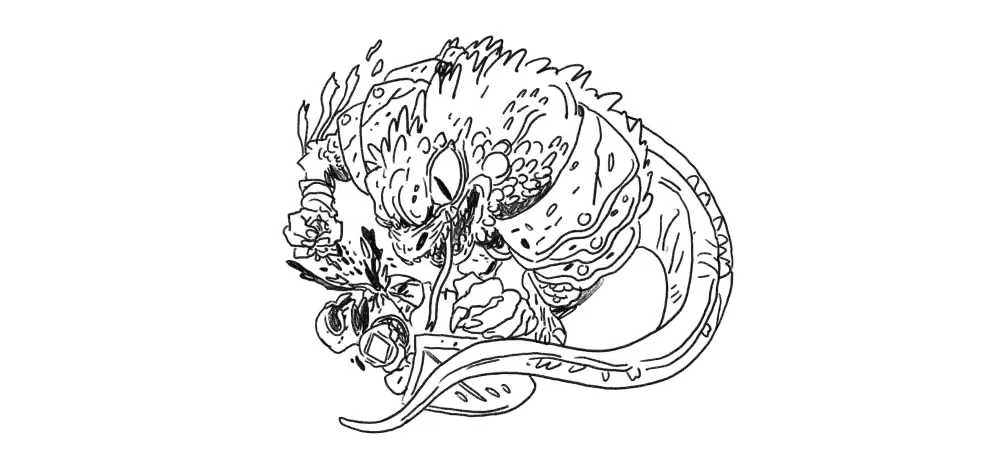
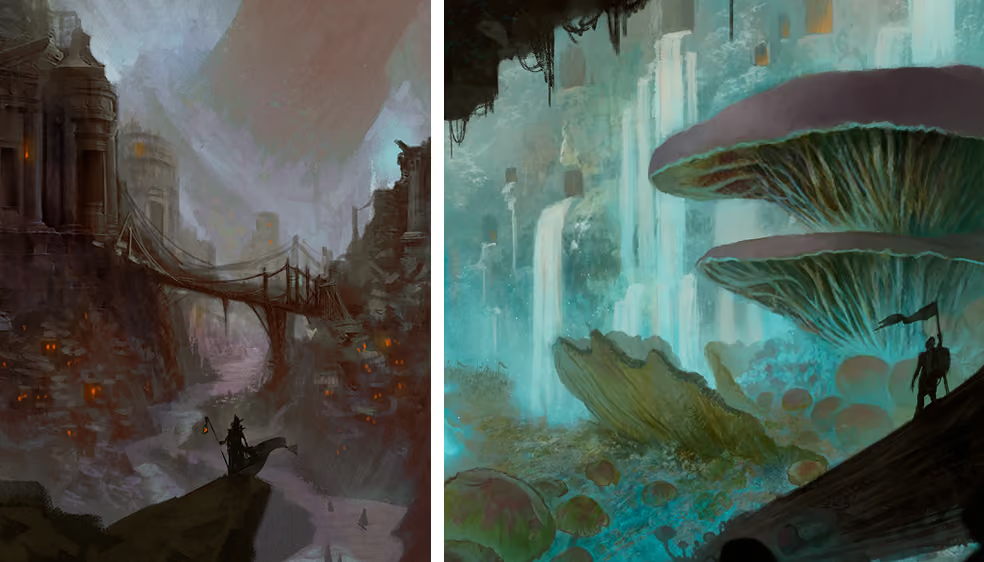
Hobgoblin is set in the Rotvärlden, an underground world of cavern fortresses and vast subterranean oceans. Light comes only from torches, watchfires, glowing runes, and luminescent fungi, so battles feel dim and claustrophobic, which is why melee matters more than ranged fire in the setting's fiction. Magic is fuelled by mercury drawn from the world itself, giving spellcasting an alien, unsettling tone rather than a familiar high-fantasy one.
There's no fixed canon of factions or armies. The rulebook mentions dwarves, goblins, hobgoblins, ice elves, undead, and oorm (lizard-folk) as starting points, but in practice anything goes. Whatever is in your collection, you can invent an army around it.
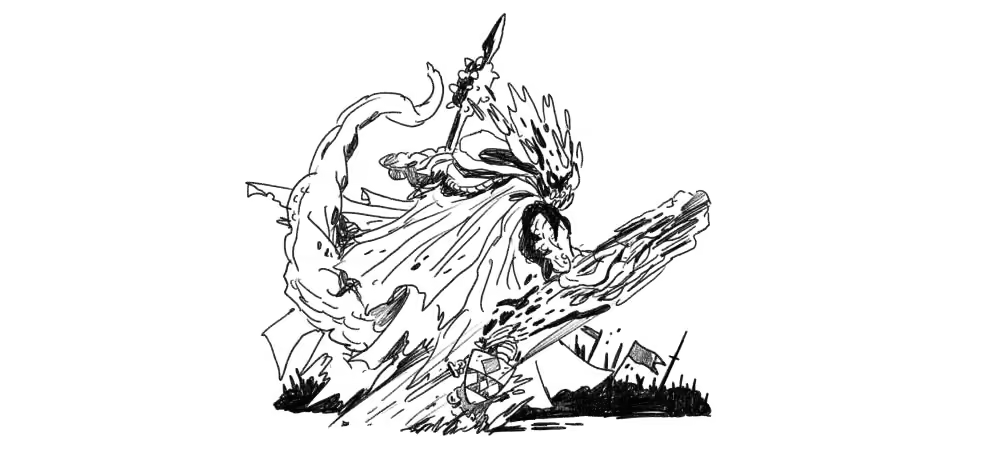
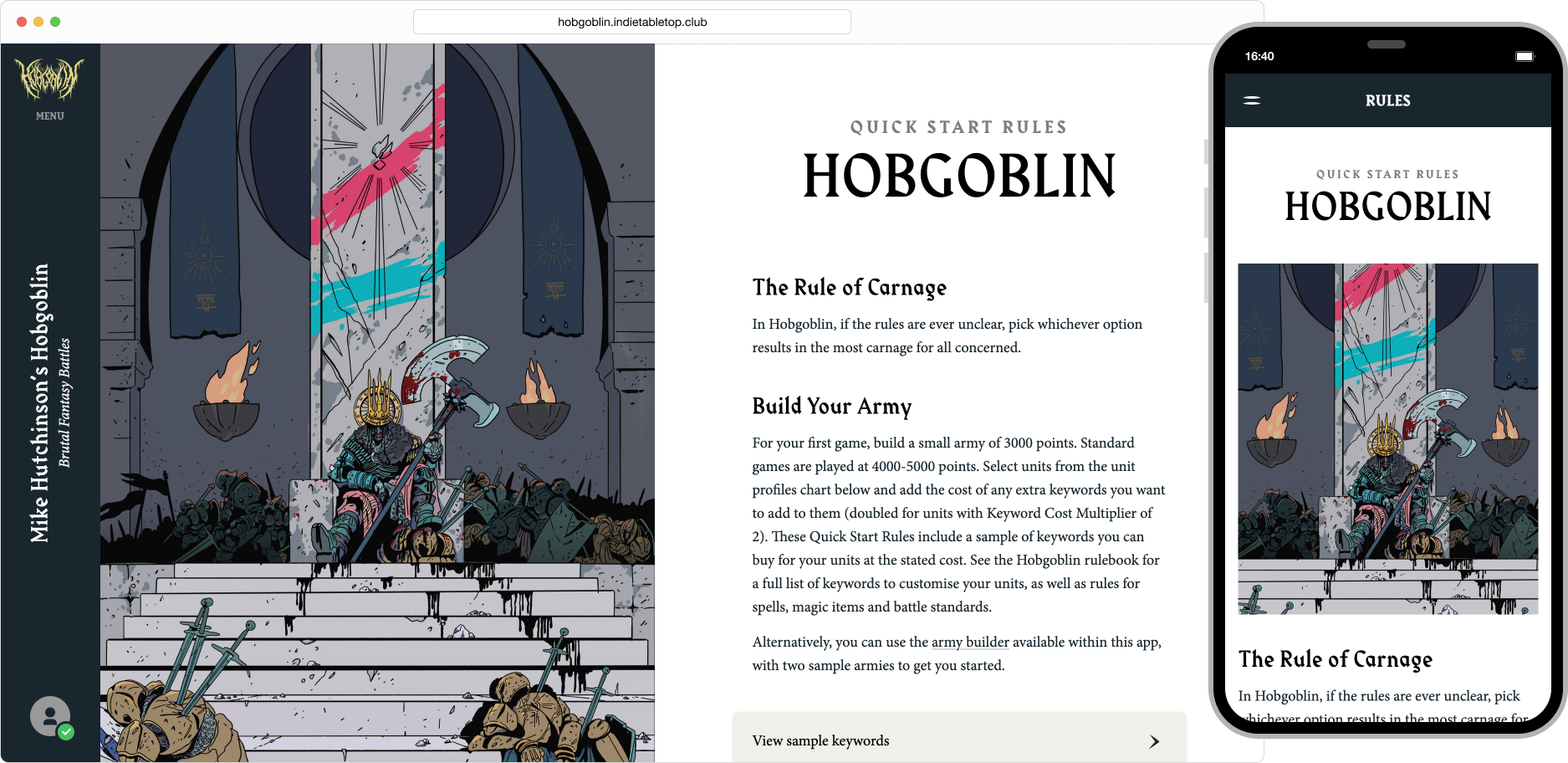
Hobgoblin has a free official companion app (made by us at Indie Tabletop Club!). It works on desktop and mobile and installs instantly on any modern device. Jump in at hobgoblin.indietabletop.club.
The community has created many cool collections and starter armies that you can easily use:
The Hobgoblin community hangs out on two Discord servers:
Hobgoblin is available as a beautiful hardback rulebook from the Electi Studio website, where you can also grab physical fortune cards.
Digital rules are available from Indie Tabletop Club or on the Electi Studio website.
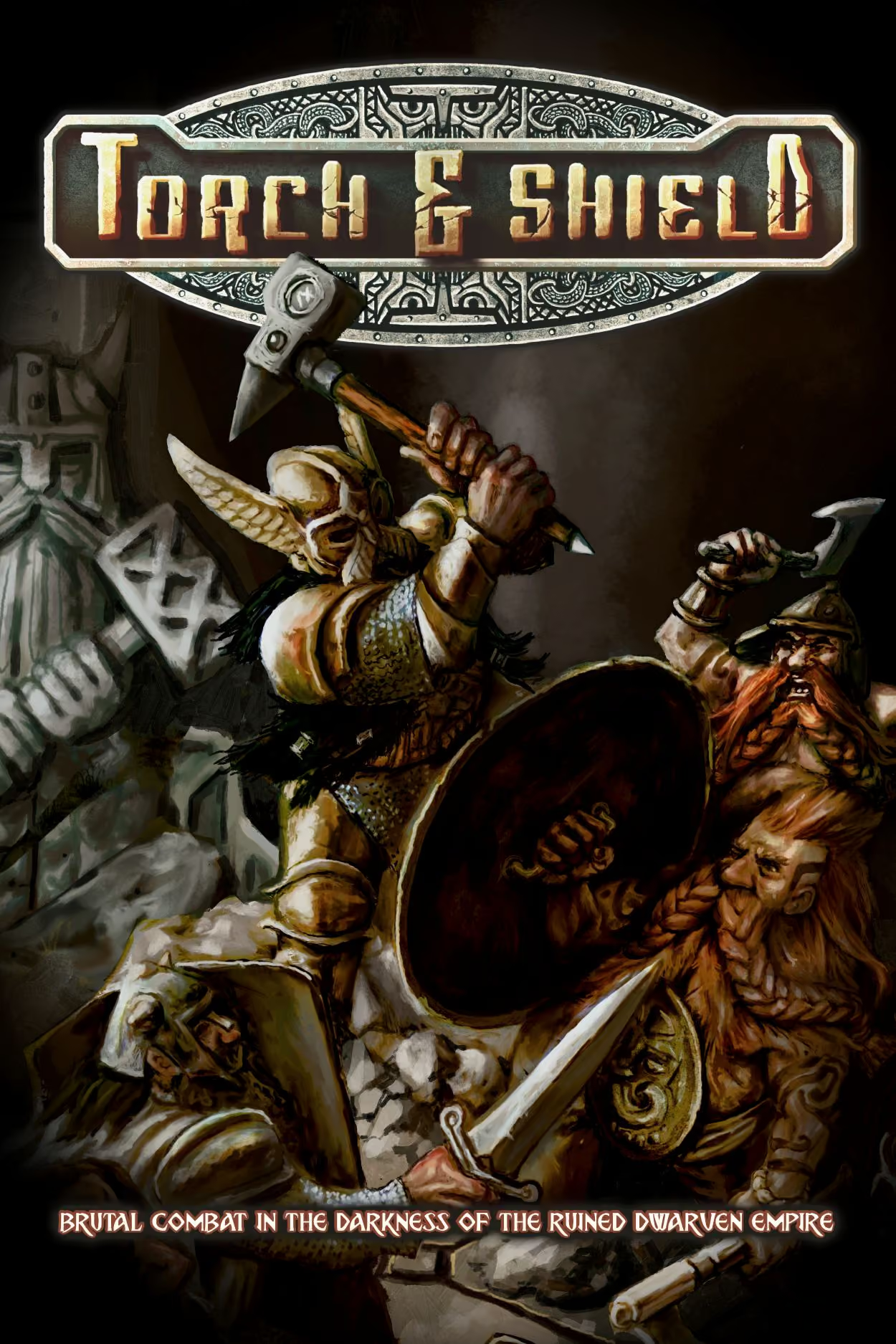
If you want a similarly flexible list building experience but prefer a sci-fi setting, you might want to try Eternøl. If you're looking for another subterranean fantasy game, but prefer skirmish games, you might want to try Torch & Shield. Gotten the taste of Mike Hutchinson's crisp rule writing, but want to try something completely different? Try Space Gits.
Content for this page was written for Indie Tabletop Club by Artur Müller based on an interview with the creator(s) and the game's rulebook. Images used with permission.

