


Games
A selection of indie tabletop games
About ITC
Learn more about the platform
FAQ for creators
Are you a game creator? Learn more about ITC and how we could work together.


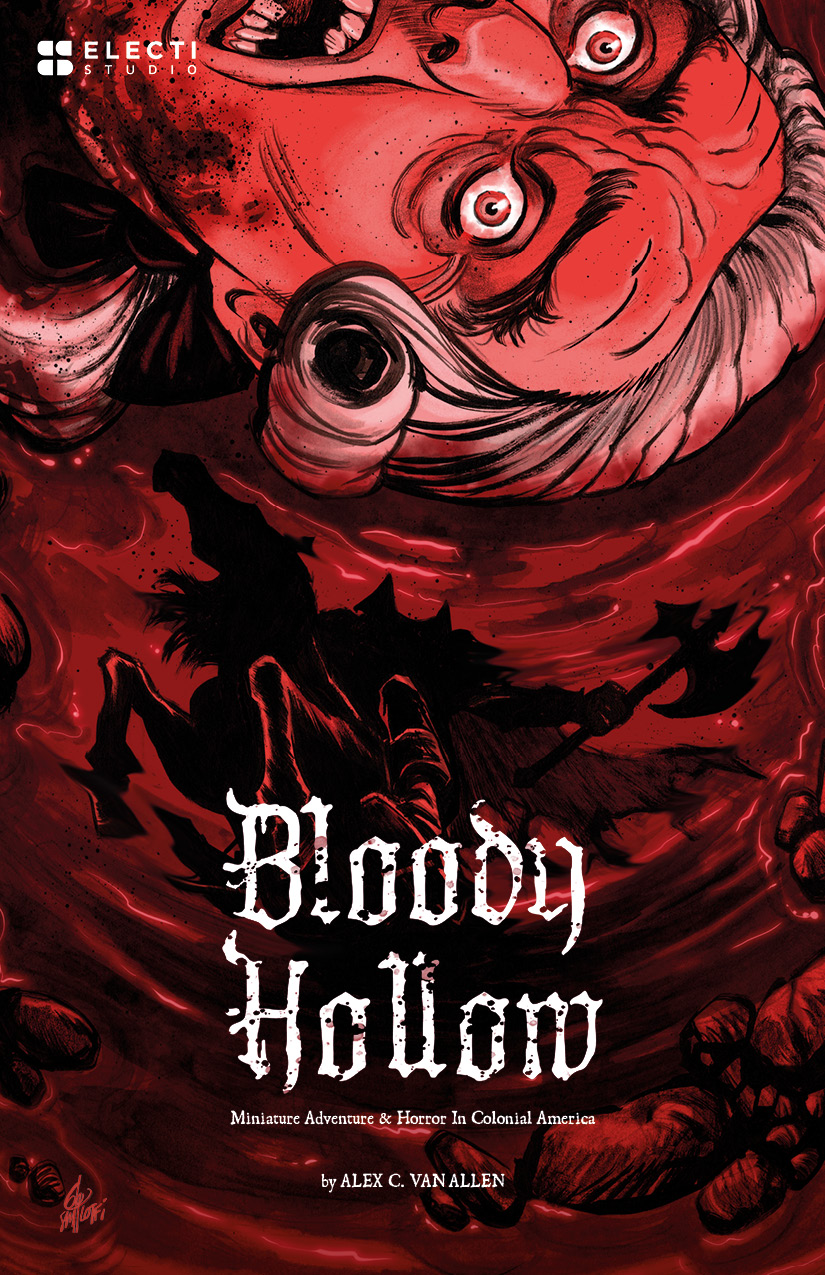
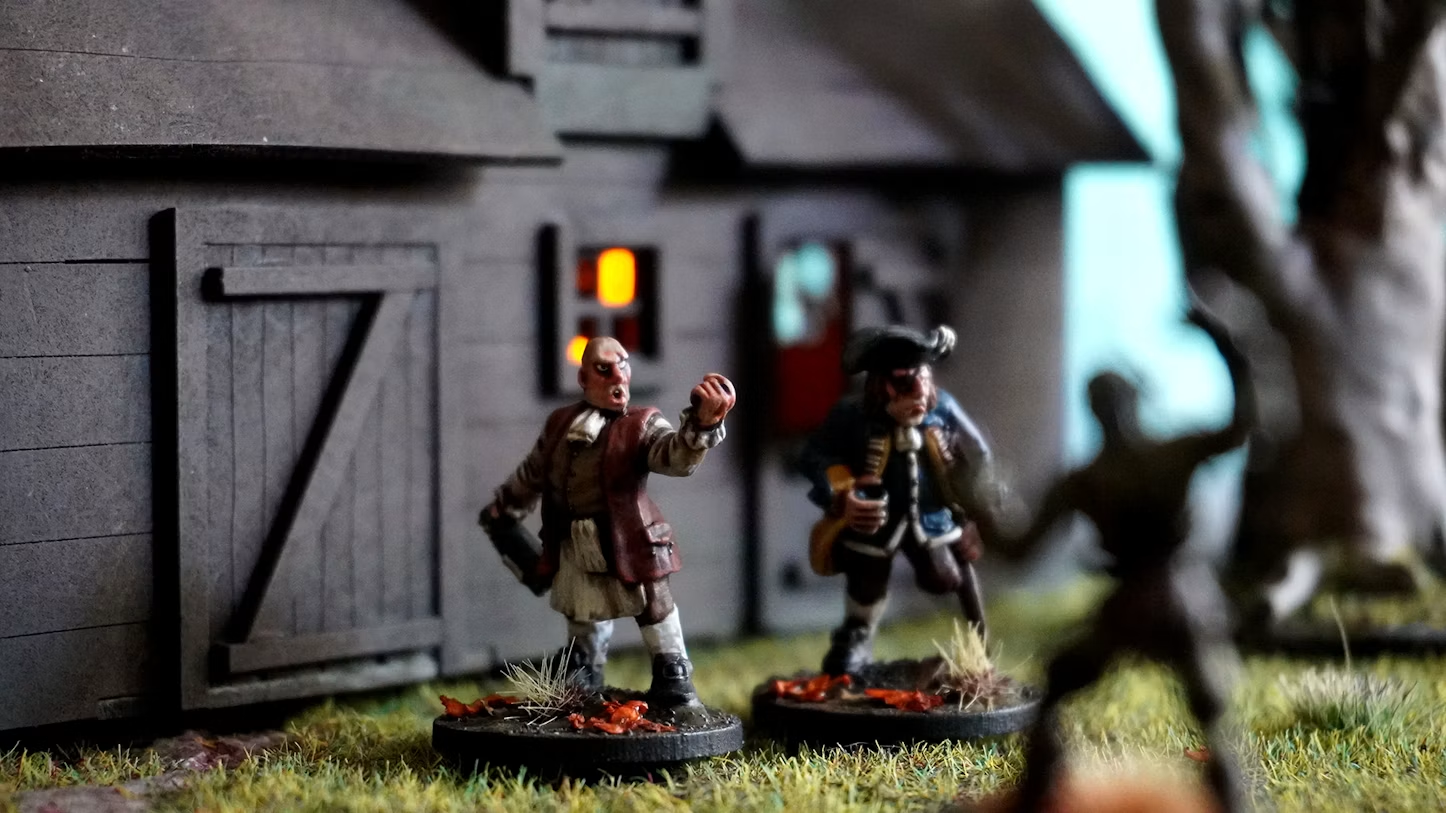
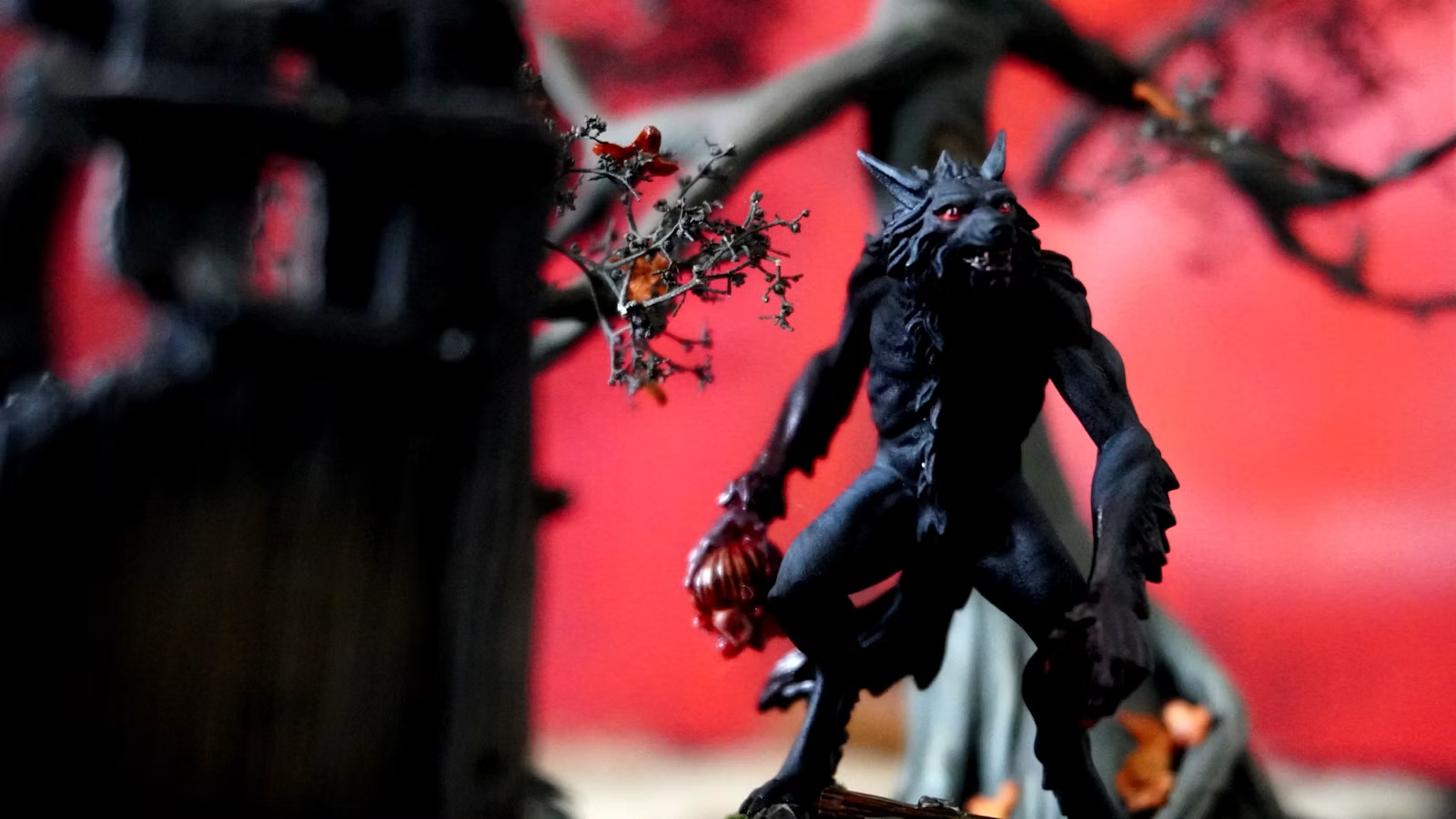
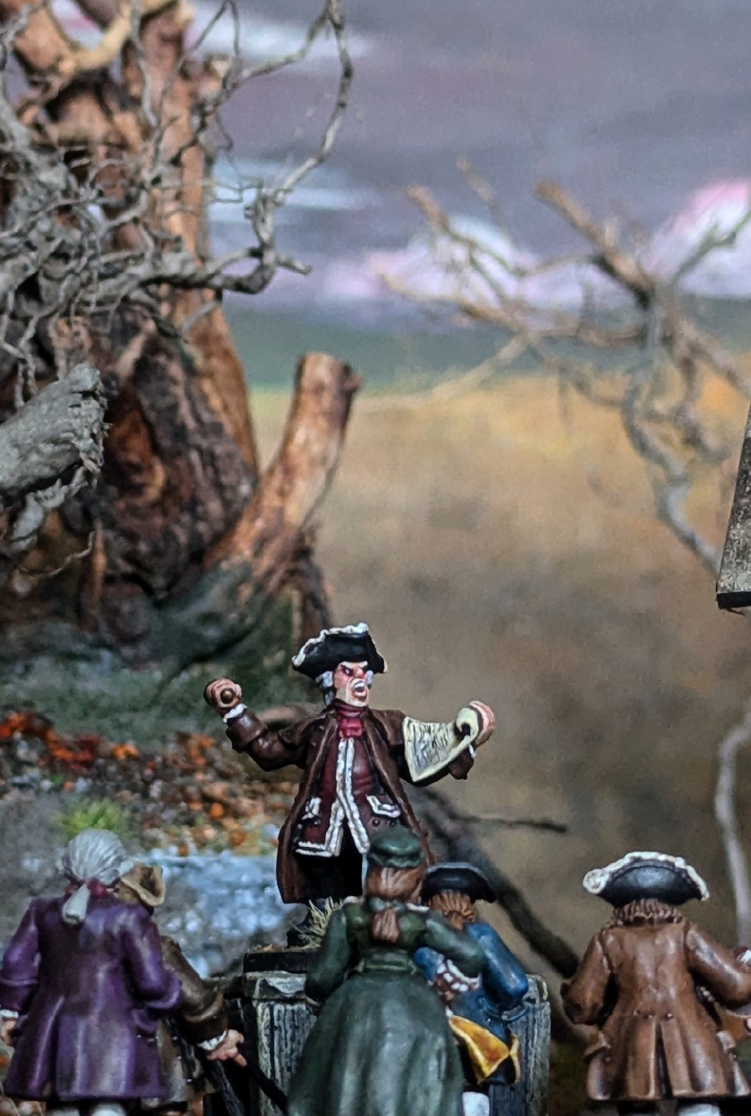
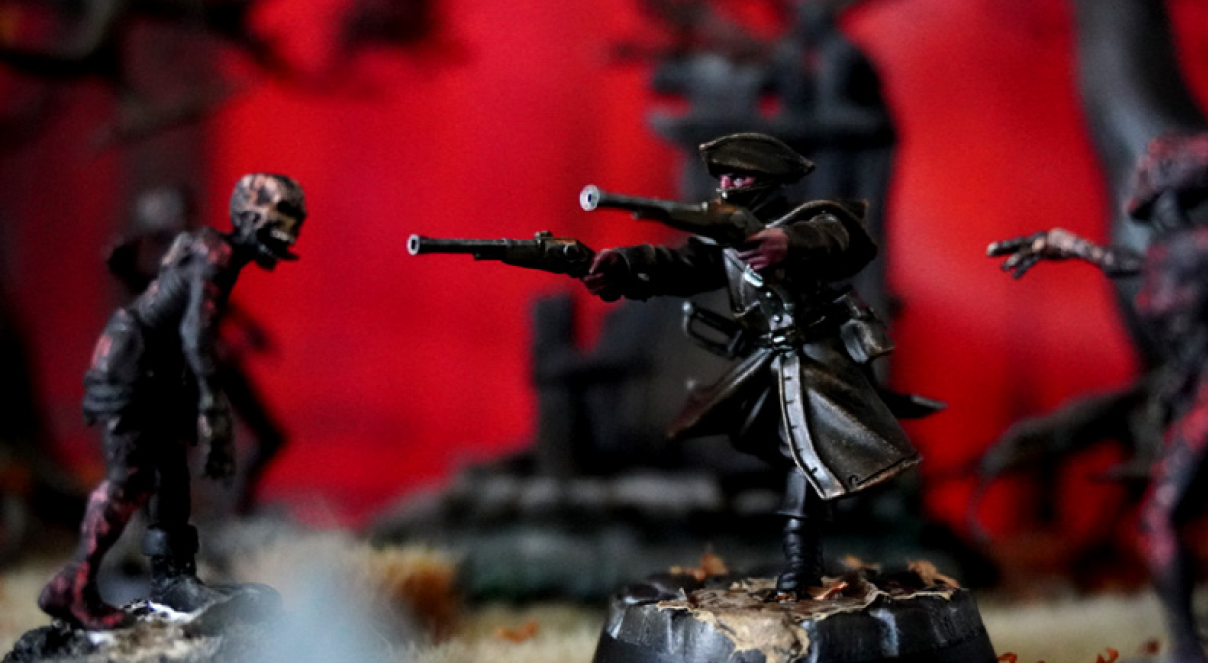

Bloody Hollow is a 28mm co-op/solo skirmish survival horror game, set in a colonial American village in the 1790s. You play a hero investigating strange happenings, facing otherworldly enemies, and trying to protect the town's inhabitants. Best played as a campaign with 3 to 5 players.


Bloody Hollow is a narrative, pure player-vs-environment game. Each player controls a single hero, with three to five heroes being the game's sweet spot. A solo player can run several heroes, or take a single hero with stat bonuses.
In each scenario, your heroes will need to perform investigations around the map, face monsters, and protect any villagers that might be present on the table. Villagers and monsters are controlled by short behaviour scripts the whole table resolves together — nobody plays the opposition. Losing villagers has a permanent effect on your campaign, so be careful!
Remember that this is a survival horror game, not an action movie. Your heroes might not be able to fight any monster that comes their way. Sneaking around and hiding from powerful enemies is a core part of the game, with its own mechanics.
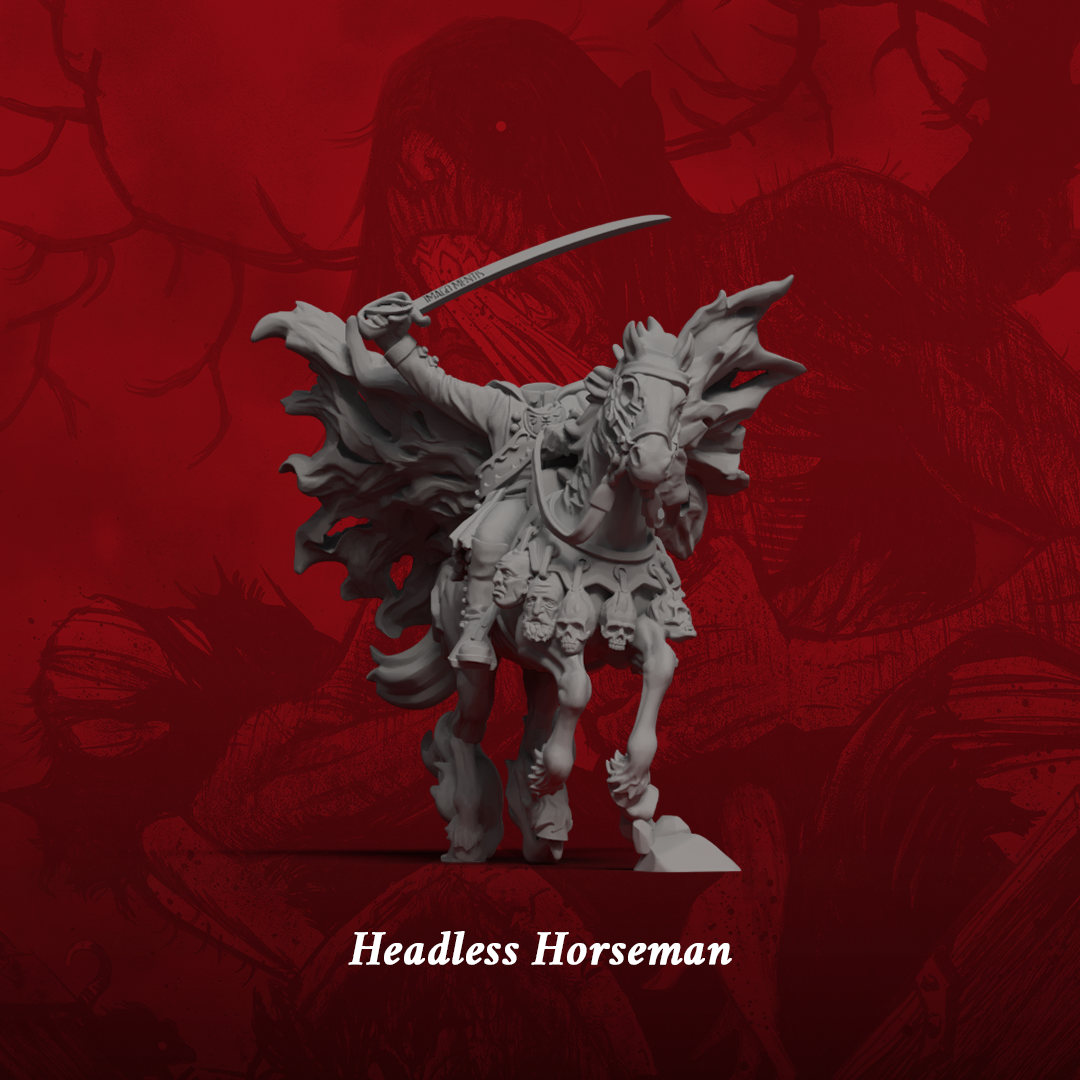
The game contains almost a dozen linked scenarios about the Headless Horseman that get progressively harder, plus twelve standalone scenarios you can slot in for extra XP or to change the pace.
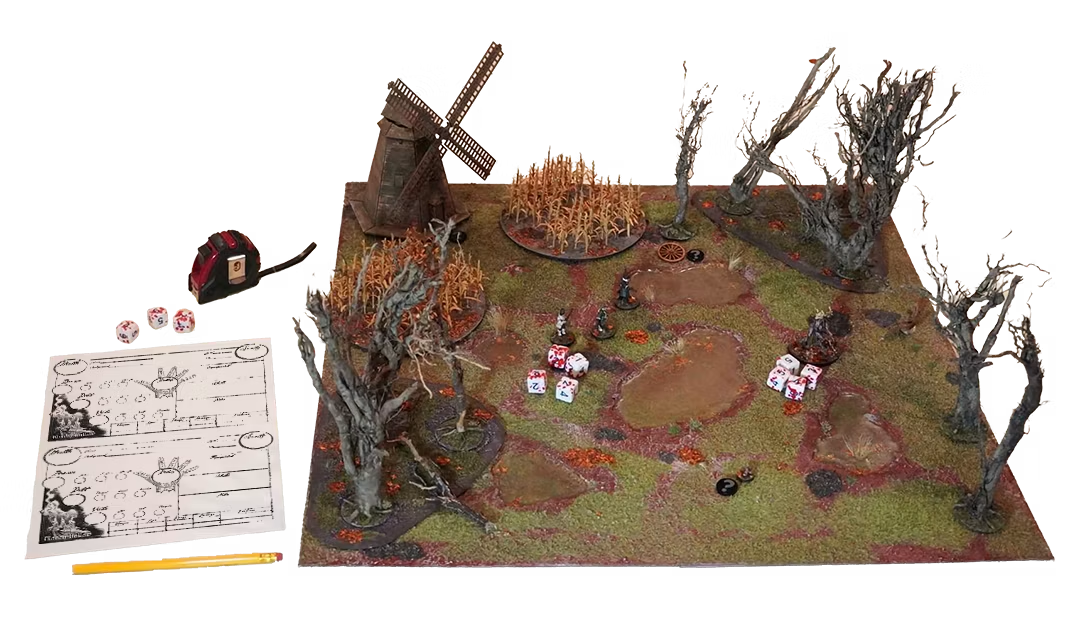
Diving into the hobby of Bloody Hollow is a medium-sized project. You only need a single hero per player, but you'll also need a decent collection of monsters, villagers, and terrain. Each scenario lists its requirements clearly, so it's very viable to run a campaign and prepare for each scenario one at a time.
The game is explicitly miniatures-agnostic. You can use any 'regular' scale minis (25mm–32mm) from the time period as long as everything is consistent. Heroes, villagers, and small monsters use 25mm–32mm bases, while larger enemies like the Weerwolfe might go for 40mm.
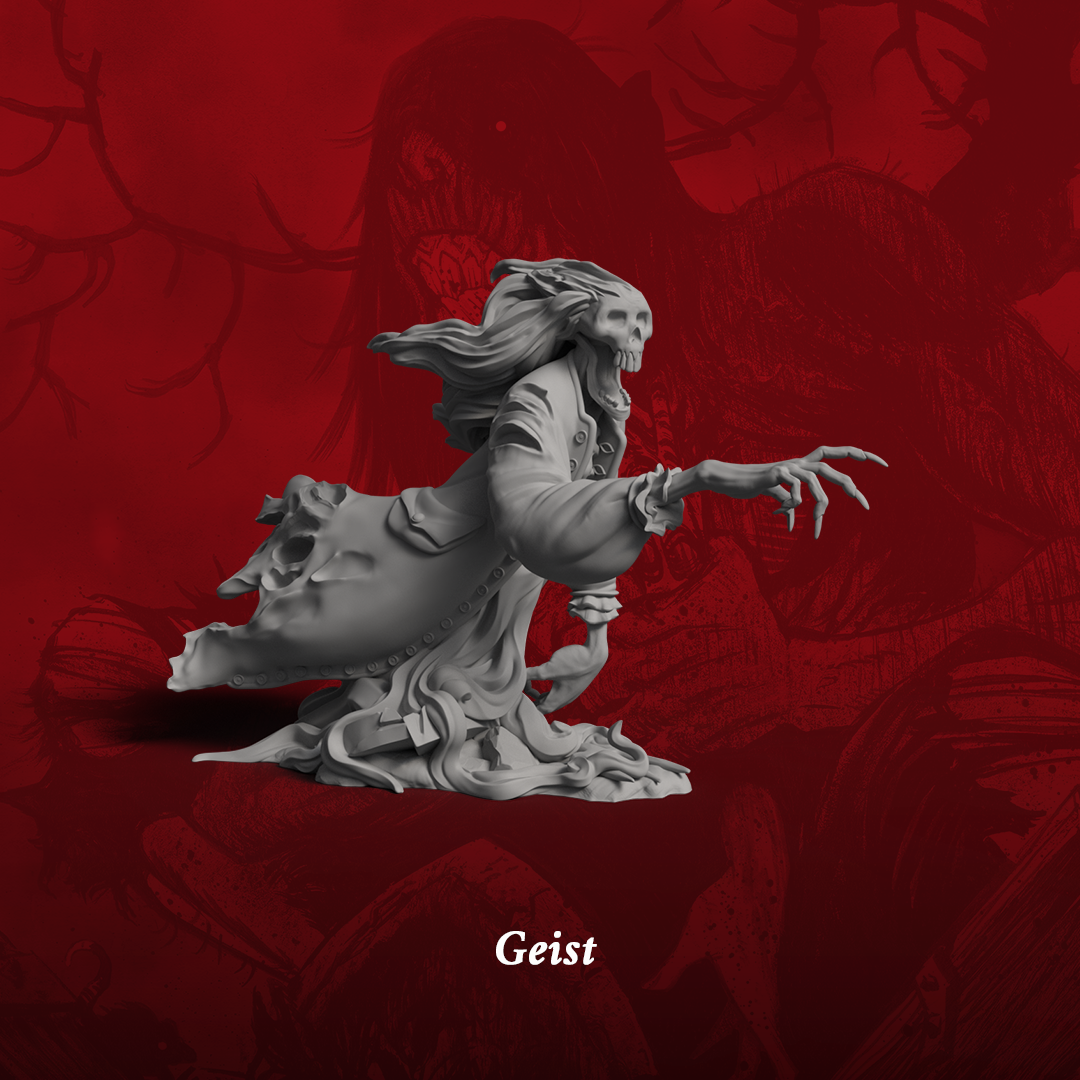
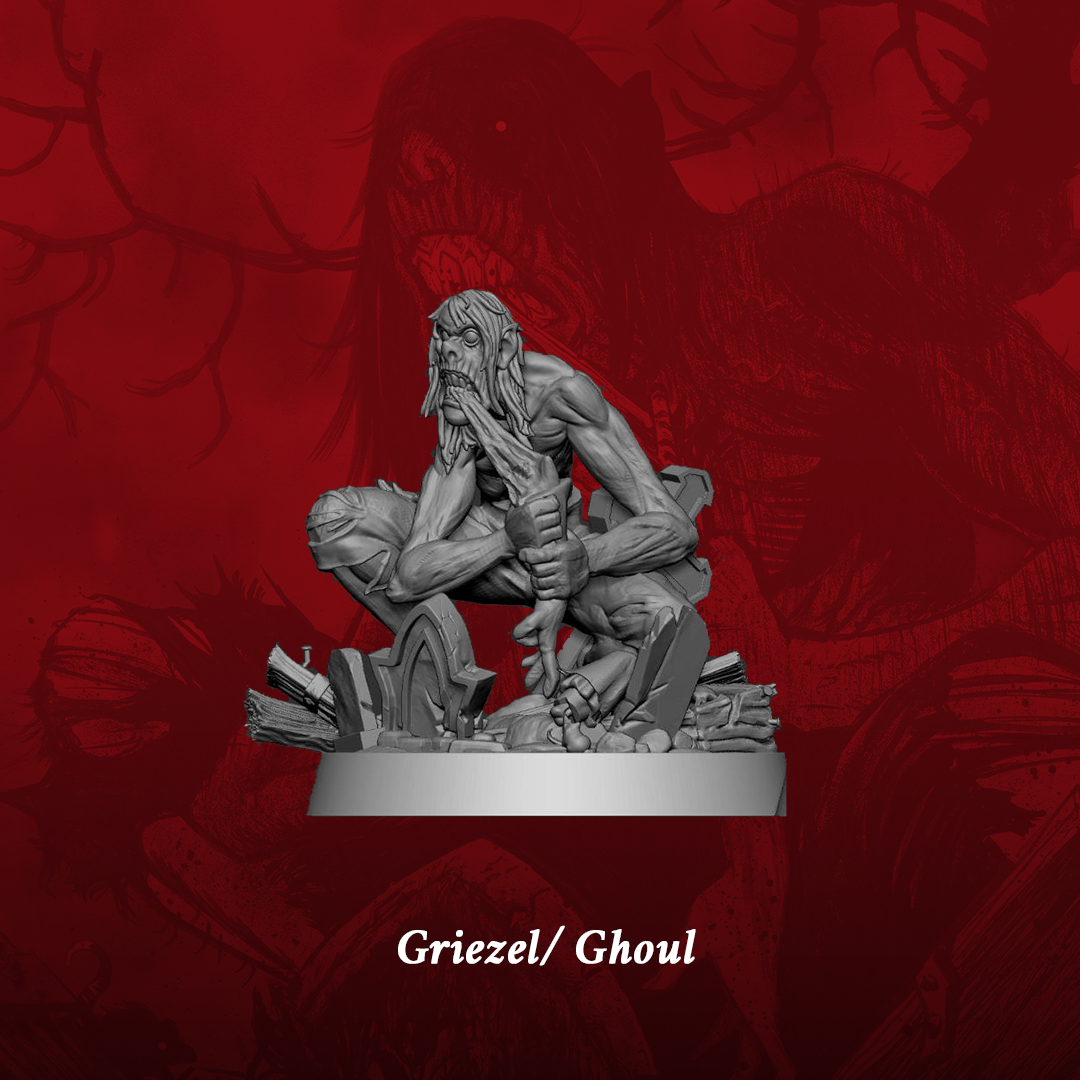
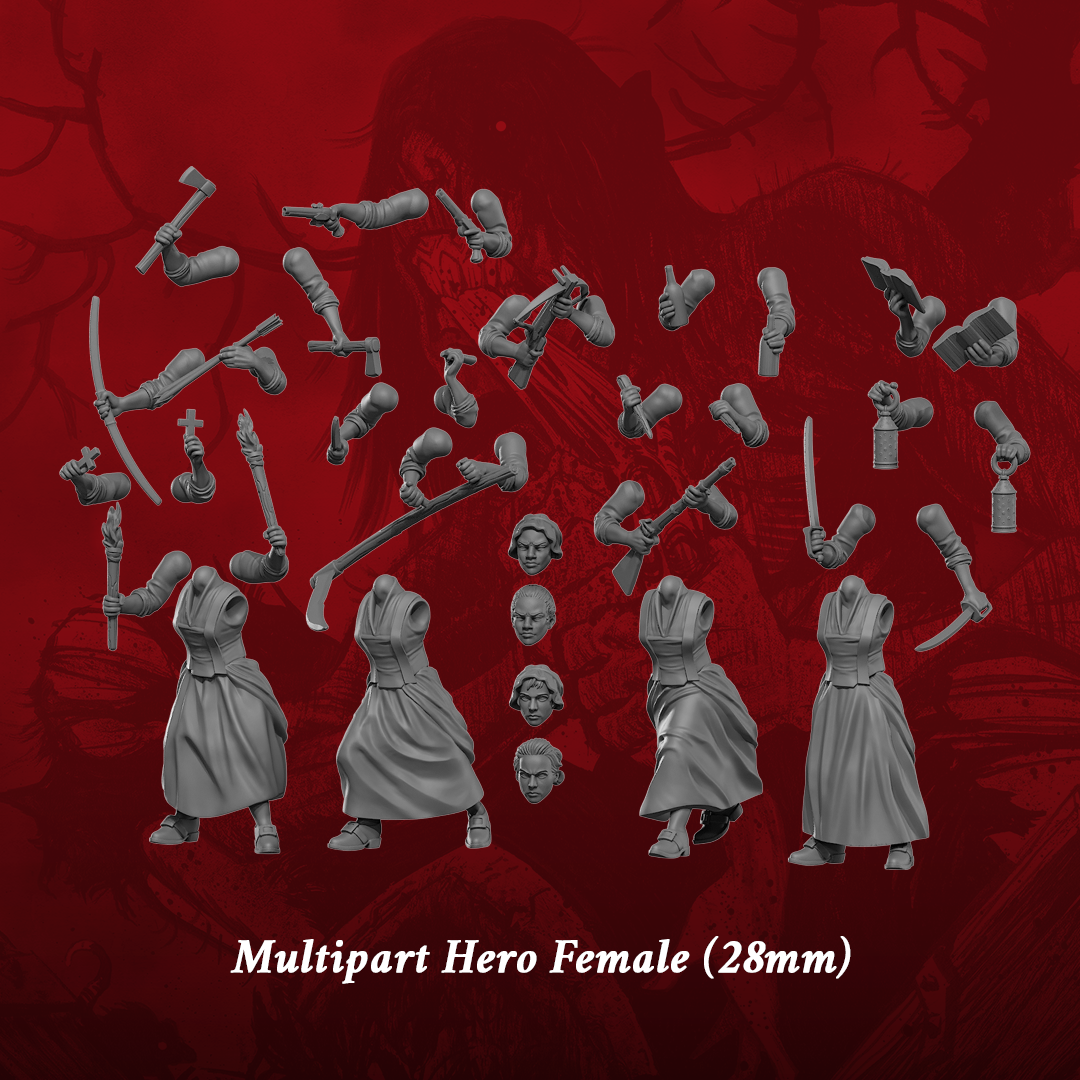
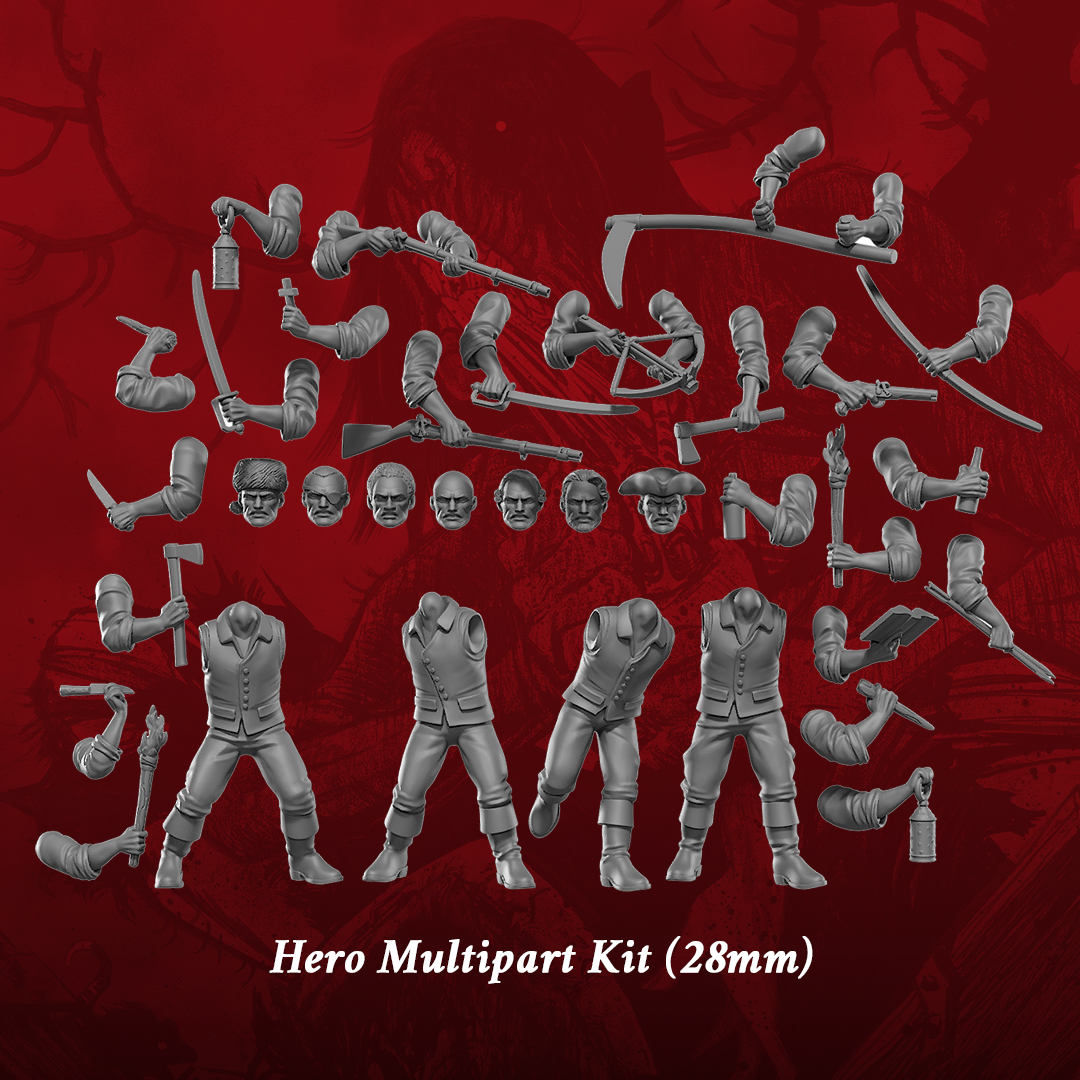
Electi Studio sells their own STLs for some of the monsters, plus a male and female multipart hero set. Kitbashing is highly encouraged! The setting is fantastical rather than strictly historical, so you don't need to stress about accuracy too much.
Every scenario lists it's requirements up front, so you will know which miniatures you'll need before each session. Apart from the heroes, there are 15 monster types in the bestiary, from bat swarms and blood wolves up to the Vampier, Weerwolfe and Wendigo, plus 13 named villagers.
Bloody Hollow is generally played on a 3×3 ft board, with some scenarios calling for something different. Having a good collection of terrain is essential — you need plenty of things to hide behind to avoid the monsters and beasts.
Thematically it's a small colonial North American village plus spooky forests, foreboding swamps, haunted graveyards, dreary cornfields, rivers and rocks. Difficult terrain, deep water, climbing, jumping gaps and falling all have rules, so a rich terrain board really pays off.
You build a hero like an RPG character: pick one of five backgrounds (which determine your stats, special skill, and starting money), and optionally tweak the result slightly.
Money buys weapons and equipment from a shared list, appropriate for the era: flintlocks, muskets, swords, hatchets, plus silver versions that hit harder but are fragile. Equipment covers armour and various items that will help your heroes on their journey.
Your heroes can be permanently slain, at which point you are allowed to create a new one at half the dead hero's level. This mechanic can also be adapted to add new players to an ongoing campaign as there is no balancing between heroes — just be careful with the newbies!
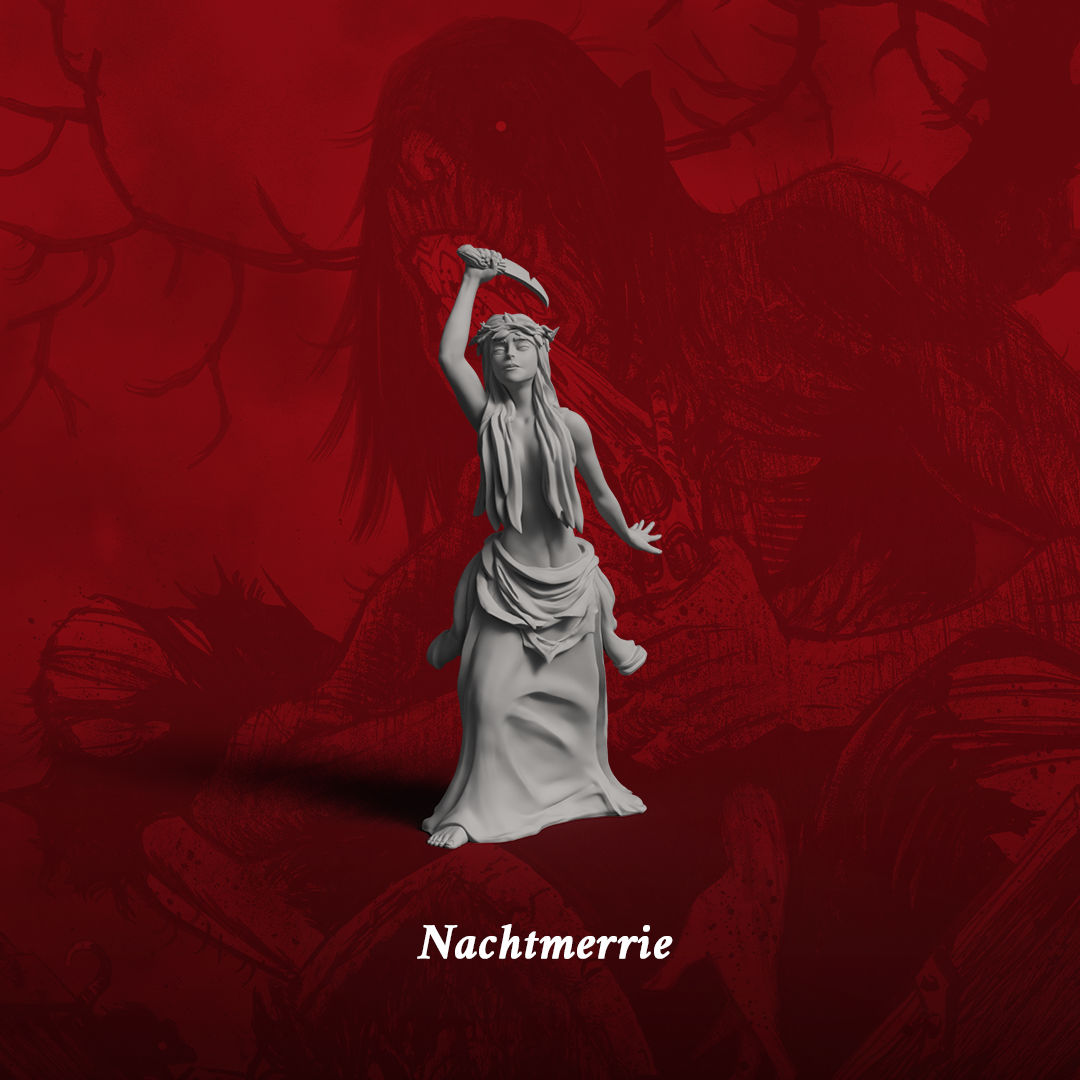
Gothic horror in the Hudson Valley, late 1700s. Bloody Hollow is a sleepy Dutch-founded hamlet on the Tappan Zee, steeped in superstition, where fallen beings have taken form out of local folklore and feed on fear. Monsters carry their Dutch and German names — Griezel, Nachtmerrie, Stroman, Vampier, Weerwolfe — alongside the Headless Horseman himself, a Hessian rider hunting for a replacement head. There's a cult, a blood moon, and a priest who turns out to be a great deal worse than he appears.
The book includes guidance for writing your own monsters, scenarios, and items, so if there is something specific you have in mind, you are welcome to create it yourself! Make sure to share it with the community if you're happy with how it turned out!
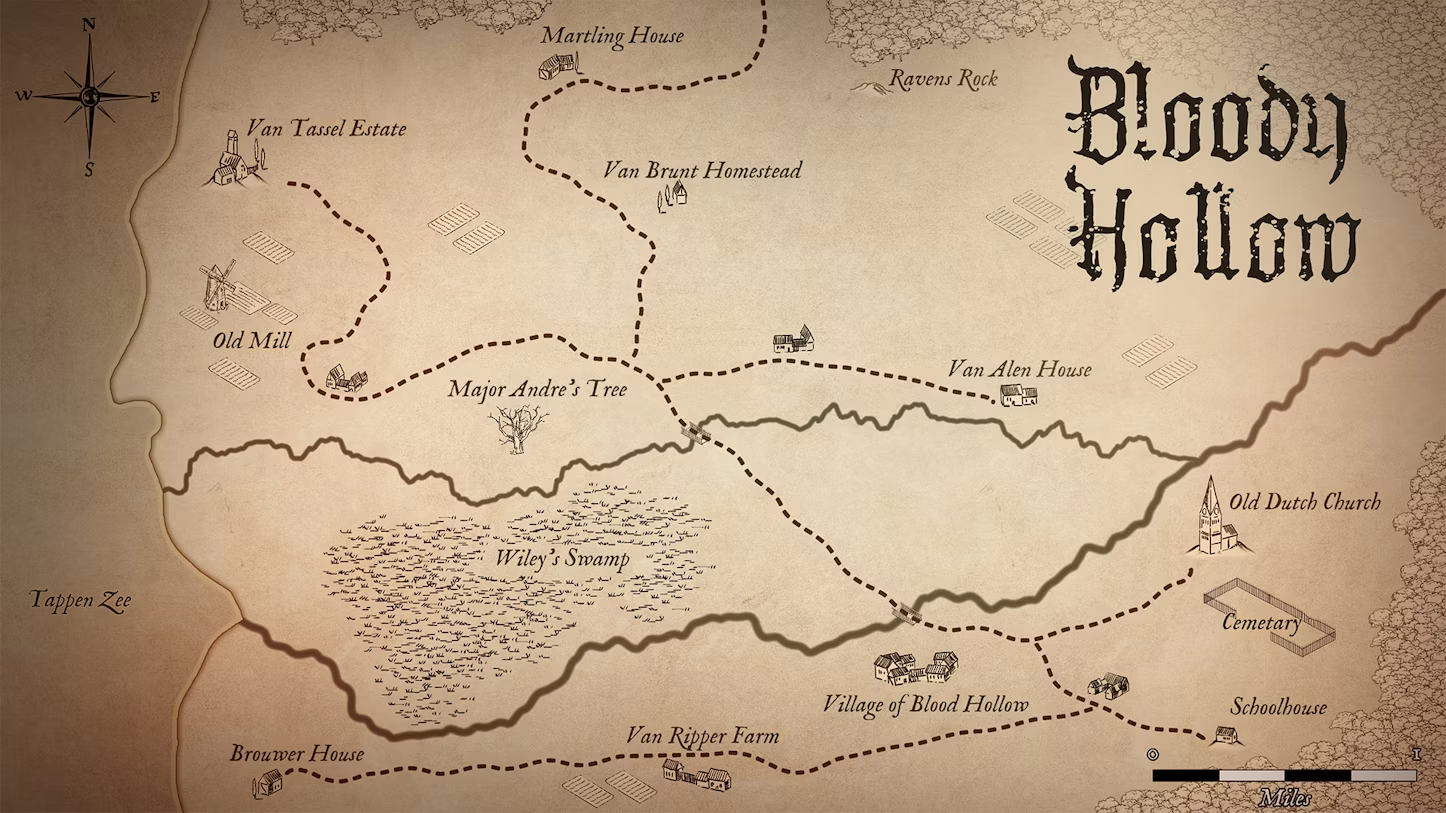
Community on Discord and Instagram; battle reports and photos via electi-studio.com/connect
.webp)
.webp)
Content for this page was written for Indie Tabletop Club by Artur Muller based on an interview with the creator(s) and the game's rulebook. Images used with permission.